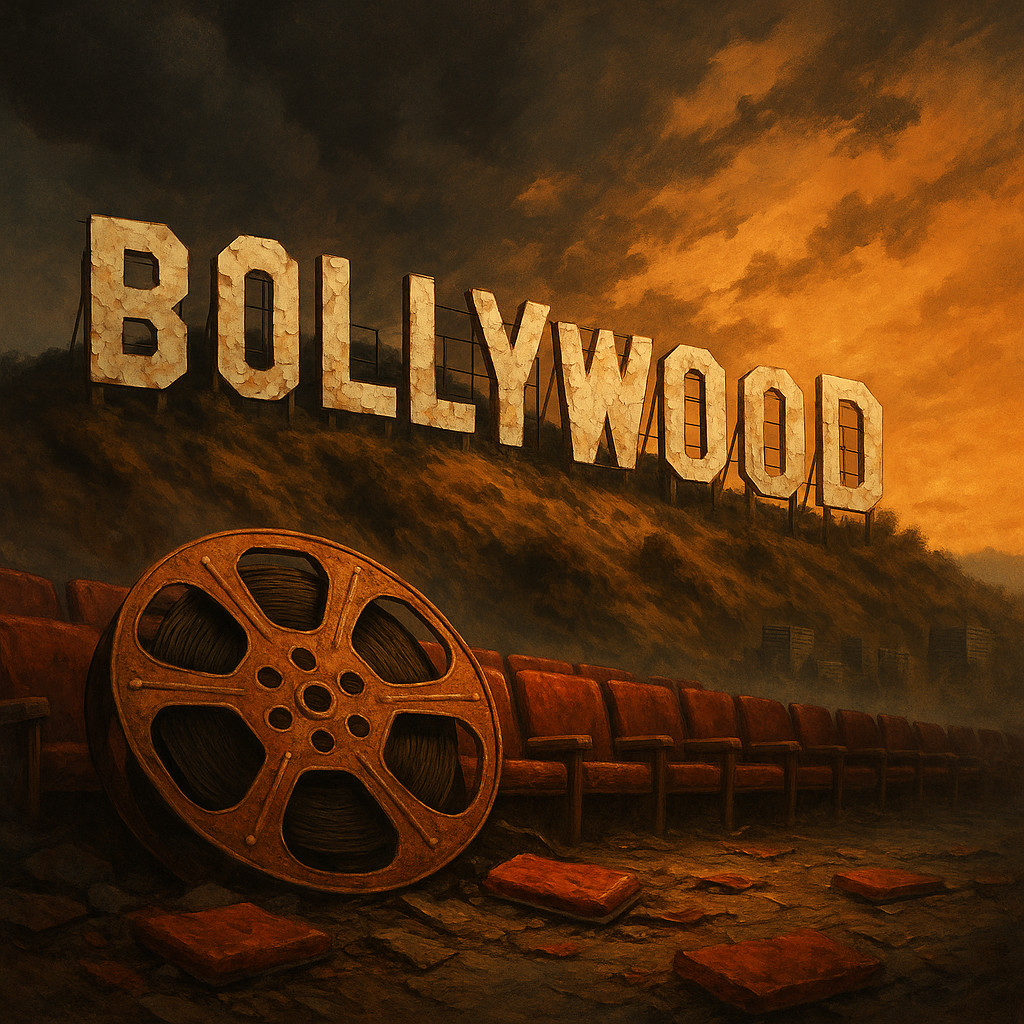
From Cultural Giant to Creative Breakdown
There was a time when Bollywood films defined Indian pop culture — music, fashion, and stories that stayed with generations. Hindi cinema didn’t just entertain; it connected deeply with the pulse of the nation. Even globally, Bollywood had charm — emotional stories rooted in family, love, sacrifice, culture, and spirit. But look at the scene today — a once massive cultural powerhouse has become a meme factory. The same audience that once celebrated Bollywood blockbusters now mocks them for cringe dialogues, weak plots, and manufactured star power. The world changed — people have access to global cinema, better writing, and original storytelling. Meanwhile, Bollywood remained stuck in a bubble of its own ego. The fall isn’t sudden — it’s a result of years of arrogance, laziness, and denial. Bollywood didn’t lose the audience — it ignored them. And viewers simply moved on.
Nepotism and the Death of Merit
Bollywood has always had star families — but earlier, stars had charisma, craft, and connection. Today, the industry has turned into a private inheritance system. The same handful of families launch their children in film after film, forcing them into stardom without earning audience love. Fresh talent rarely gets opportunities unless they become “industry-friendly.” Meanwhile, genuinely skilled actors struggle for visibility. The problem isn’t star kids existing — it’s the gatekeeping, the hostility toward outsiders, the media manipulation to sell mediocrity as “talent.” Once social media exposed this hypocrisy, audiences lost patience. People now reject forced stardom. Bollywood forgot a simple truth: you can buy PR, but not respect.
Lazy Writing + Formula Fatigue
Bollywood’s biggest crime is not nepotism — it’s laziness.
Remakes of South films. Remakes of Bollywood’s own films. Biopics on athletes, criminals, freedom fighters — same template, same emotional manipulation, same patriotic song at climax. There’s zero hunger for fresh ideas. Writers are underpaid, undervalued, and often replaced by “friends of the hero.” So the audience gets half-baked scripts filled with item songs and cringe comedy. In a time when OTT platforms deliver gripping storytelling, Bollywood still believes flashy packaging can substitute creativity. The result? Boring movies, predictable plots, and people choosing anything else to watch. Bollywood forgot storytelling — the soul of cinema.
Overdose of Image, Zero Substance
Bollywood’s obsession isn’t with art — it’s with perception.
Every frame must flaunt designer brands, foreign locations, and glamorous lifestyles. Actors select roles that fit their “perfect” PR image — heroes must be flawless, heroines must look pretty, villains must be caricatures. Even “social message” films feel like woke marketing campaigns rather than genuine expression. A movie shouldn’t preach what the creators don’t practice. Instead of reflecting society, Bollywood now performs morality for Instagram likes. The industry is more concerned with looking relevant than being relevant. The audience can sense the fakeness — and they’re done buying it.
Disconnect From Real India
For decades, Hindi cinema beautifully captured the emotions of everyday Indians — small towns, big dreams, raw heartbreak, relatable struggles. But the modern industry has no clue how common people live anymore. Most movies revolve around elite lifestyles and unrealistic romances happening in penthouses and yachts. Characters don’t talk like real Indians, don’t struggle like real Indians — they’re products of a privileged imagination. Meanwhile, regional cinema — especially South Indian industries — has surged by creating films rooted in their culture and emotions. Telugu, Tamil, Kannada, Malayalam cinema have stepped up with authenticity and strong craftsmanship. Bollywood looks down on them — audiences look up to them.
PR Propaganda > Authentic Talent
Bollywood today runs more on marketing than on movies. Even before a film releases, paid media declares it a “superhit,” influencers hype it with rehearsed enthusiasm, and celebrities aggressively push hashtags like their careers depend on it — which they actually do. False “4-star reviews” drop the moment trailers arrive, telling audiences what to think instead of letting them choose. But here’s the twist: The audience is smarter now. They see through manufactured buzz and clickbait praise. A movie with no soul can’t be saved by ten talk shows and a million Instagram reels. The success of films is no longer controlled by PR machines — the weekend box office verdict exposes the truth brutally and instantly. Real talent finds love; fake hype crashes and burns.
The Decline of Stardom
There was a time when a hero’s presence alone could pull crowds to theatres. That magic is gone. Today’s audience doesn’t worship actors — they evaluate them. In the age of social media, stars are no longer mysterious; every flaw, scandal, or arrogant comment goes viral in seconds. Audiences now choose characters over celebrities. Box office numbers show that an actor with millions of followers can’t guarantee even a decent opening. Stardom today is insecure, unstable, and temporary — because it’s not built on connection or craft, but on PR images and Photoshop. Those days of blind stardom are over — and Bollywood refuses to accept it.
Bollywood’s Moral + Cultural Decay
Cinema influences culture — and Bollywood once took that responsibility seriously. Stories celebrated loyalty, family, courage, love, identity. Today? Movies normalize drug abuse, cheating, shallow values, and hedonistic lifestyles — glamorized without purpose or reflection. There’s a complete disconnect from cultural roots and moral introspection. Even when films preach morality, the industry’s own scandals — parties, politics, hypocrisy — expose the contradiction. Many viewers feel Bollywood elites have lost both cultural grounding and creative conscience. Without moral depth or emotional roots, those films feel hollow — pretty but empty.
The Rise of Alternatives — Why Audiences Moved On
While Bollywood was busy admiring itself, viewers discovered better cinema elsewhere. South India delivered films like KGF, Kantara, Pushpa, RRR, Vikram, showcasing strong characters, style, and substance — rooted in regional pride and real emotion. OTT platforms exploded with diverse, daring content that Bollywood would never risk. And international entertainment — Hollywood’s scale, K-drama’s storytelling, global streaming access — showed Indians just how much quality they were missing. Viewers now demand originality and honesty — and they’re getting it from everyone except Bollywood. So they shifted their loyalty without hesitation.
Can Bollywood Bounce Back?
Bollywood is not beyond repair — but the cure requires humility. The industry must respect writers and creativity again. It must give opportunities to actors who win audience hearts, not children of elite circles. It must rediscover its connection to real India — real struggles, real stories, real identity. The audience has spoken loud and clear: they want authenticity, not arrogance. Bollywood will survive only if it listens. Reinvention is the only option left. Because if Hindi cinema continues living in a fantasy version of fame, the audience will gladly leave it behind — for art that remembers who it’s meant to serve.
Related Posts

BTS Unveils Rose Pop-Ups Worldwide to Tease ARIRANG Album Ahead of Major Comeback

Ram Charan’s Birthday Tribute to Buchi Babu Sana Ignites Peddi Buzz Ahead of 2026 Release
